Master Freezing Mashed Potatoes: Keep Them Creamy & Flavorful
Leftover mashed potatoes are a delicious dilemma. You've spent time crafting that perfect, fluffy, buttery side dish, and now you have more than you can eat. The thought of tossing them is heartbreaking, but many people shy away from freezing, fearing a sad, watery, or grainy outcome. What if we told you there's an
easy way to freeze mashed potatoes that ensures they emerge from the freezer just as creamy and flavorful as the day you made them?
Freezing mashed potatoes isn't just about salvaging leftovers; it's a strategic move for meal prep, holiday planning, and ensuring you always have a comforting side dish ready to go. The secret lies in a few simple, yet crucial, steps that prevent the dreaded texture loss. By understanding the role of key ingredients and employing smart storage techniques, you can transform your freezer into a convenient pantry for perfectly preserved mashed potatoes. Get ready to elevate your culinary game and enjoy delicious spuds anytime you wish!
Why Freezing Mashed Potatoes is a Culinary Game-Changer
Imagine the convenience: a busy weeknight, and you're craving that warm, comforting bowl of mashed potatoes without the peeling, boiling, and mashing. Or perhaps you're tackling a big holiday feast, and the idea of preparing *everything* on the day feels overwhelming. This is where mastering the art of freezing mashed potatoes becomes your culinary superpower.
Freezing allows you to:
- Save Time: Prepare a large batch once, and have instant access to a delicious side dish for weeks. This is especially useful for meal prepping or when hosting.
- Reduce Food Waste: Don't let those precious leftovers go to waste. Freezing is an excellent preservation method that extends the life of your prepared food.
- Simplify Holiday Cooking: Get ahead of the game by making your mashed potatoes days or even weeks in advance. Free up valuable kitchen time and reduce stress on the big day.
- Maintain Quality: With the right approach, frozen mashed potatoes retain their delightful taste and texture, ensuring every future meal is just as enjoyable as the first.
The common fear is that freezing will ruin the potatoes, turning them into an unappealing, watery mess. This concern usually stems from improper preparation and storage. Potatoes, being high in water content, are susceptible to large ice crystal formation, which breaks down cell walls and leads to that undesirable texture upon thawing. However, by incorporating specific ingredients and following a proven freezing process, we can mitigate these effects and ensure your frozen mashed potatoes remain lusciously smooth and full of flavor.
The Secret to Success: High-Fat Ingredients & Perfect Cooling
The foundation of successfully freezing mashed potatoes without compromising their quality lies in two critical factors: the ingredients you use and the cooling process. These elements work in tandem to protect the delicate texture and rich flavor of your spuds.
Embrace High-Fat Ingredients
The most impactful advice for a truly
easy way to freeze mashed potatoes that retain their taste and texture is to be generous with your high-fat ingredients. Fats act as a protective barrier, preventing large, destructive ice crystals from forming. Less water is available to crystalize, and the fat provides a smooth, rich mouthfeel even after thawing and reheating.
When preparing your mashed potatoes, don't hold back on:
- Butter: Not only does it add incredible flavor, but its fat content is crucial for maintaining creaminess.
- Cream or Half-and-Half: A significant source of fat that contributes to a luxurious texture.
- Cream Cheese or Sour Cream: These add tanginess and a substantial amount of fat, further enhancing the freeze-thaw stability. They also provide a velvety consistency that can sometimes be lost otherwise.
Think of these ingredients as your mashed potatoes' armor against the freezer's harsh environment. The more fat, the better they'll fare, ensuring a consistently delightful experience post-thaw.
The Importance of Cooling Properly
Once your mashed potatoes are perfectly prepared, the next crucial step before freezing is to let them cool completely to room temperature. This might seem like a minor detail, but it's a fundamental part of preventing freezer burn and maintaining texture.
Here's why cooling is so important:
- Prevents Condensation: Placing hot food directly into the freezer creates a significant temperature difference, leading to condensation inside your container. This moisture will then freeze into ice crystals, contributing to freezer burn and a watery texture when thawed.
- Protects Other Frozen Items: Hot food can raise the temperature of your freezer, potentially thawing and refreezing other items, which can compromise their quality.
- Ensures Even Freezing: Uniformly cooled potatoes freeze more consistently, leading to better overall texture preservation.
Allow your mashed potatoes to sit out on the counter, stirring occasionally to release heat, until they reach room temperature. For larger batches, you can spread them out on a baking sheet to speed up the cooling process. This patient step is a small investment for a big return in quality.
Step-by-Step Guide: The Easy Way to Freeze Mashed Potatoes
Now that you understand the "why," let's dive into the "how." Follow these simple steps for an
Easy Guide: Freeze Mashed Potatoes for Future Meals, ensuring every scoop is as good as new.
1. Prepare Your Mashed Potatoes with Extra Love
Start by making your mashed potatoes using your favorite recipe, but remember our key takeaway: be generous with butter, cream, or other high-fat dairy products. Ensure they are well-seasoned, as flavors can sometimes mellow slightly in the freezer.
2. Cool Completely
As discussed, allow your freshly made mashed potatoes to cool down to room temperature. This can take a couple of hours for a large batch. You can place them in a wide, shallow bowl or spread them on a baking sheet to accelerate the cooling.
3. Flash Freeze for Individual Portions
This step is a game-changer for portion control and preventing a solid block of potatoes.
- Line a baking sheet: Place a sheet of parchment paper or a silicone baking mat on a baking sheet.
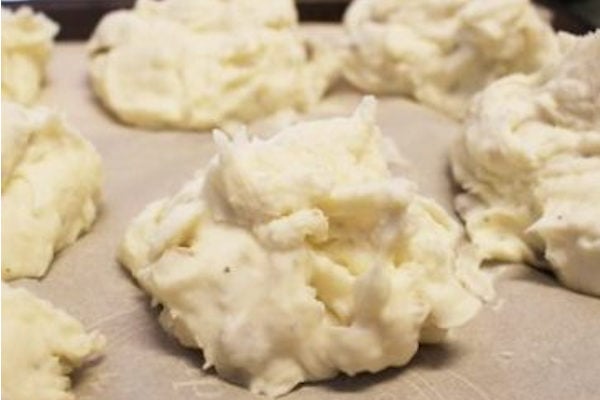
- Portion out potatoes: Using a large spoon or an ice cream scoop, drop individual portions of mashed potatoes onto the lined baking sheet. You can shape them into disks or mounds. This is also a great time to think about future serving sizes.
- Freeze until solid: Place the baking sheet in the freezer for 2-4 hours, or until the potato portions are completely solid. This flash-freezing technique ensures that each portion freezes individually, making them easy to separate and store without sticking together.
4. Package for Long-Term Storage
Once your mashed potato portions are frozen solid, it's time to transfer them to their long-term storage containers.
- Choose suitable containers: Opt for heavy-duty freezer bags or airtight, freezer-safe containers. Glass containers with tight-fitting lids work wonderfully, as do BPA-free plastic containers.
- Minimize air exposure: If using freezer bags, squeeze out as much air as possible before sealing. Air is the enemy of frozen food, leading to freezer burn and flavor degradation. For containers, fill them as close to the top as possible, or place a layer of plastic wrap directly on the surface of the potatoes before sealing with the lid for an extra layer of protection.
- Label clearly: Always label your bags or containers with the date and the type of food (e.g., "Mashed Potatoes - 1/2 cup portions"). This helps you keep track of freshness and ensures you use the oldest items first. Frozen mashed potatoes typically maintain their best quality for up to 3-6 months.
By following these simple guidelines, you're not just freezing potatoes; you're preserving convenience, flavor, and texture. For more detailed insights into preserving the perfect taste, consider exploring
How to Freeze Mashed Potatoes Without Losing Taste.
Reheating Your Frozen Mashed Potato Masterpiece
The final test of a successful freeze is the reheat. Done correctly, your mashed potatoes will regain their luscious texture and rich flavor.
Thawing (Optional but Recommended)
While you can reheat from frozen, thawing in the refrigerator overnight often yields the best results. Simply transfer the desired number of frozen portions to a bowl and let them thaw slowly. If you're in a hurry, you can proceed directly to reheating, but it may take longer and require more stirring.
Reheating Methods
No matter how you reheat, a critical step is to add a splash of warm milk, cream, or a knob of butter. This helps rehydrate and restore the creamy consistency that might have been slightly compromised during freezing.
- Oven (Recommended for larger batches):
- Preheat oven to 350°F (175°C).
- Place thawed or frozen mashed potatoes in an oven-safe dish. Add a splash of milk/cream and a pat of butter.
- Cover tightly with foil to prevent drying out.
- Bake for 30-45 minutes (if thawed) or 45-60 minutes (if frozen), stirring occasionally, until heated through and creamy. Remove foil for the last 10 minutes if you like a slightly browned top.
- Stovetop (Great for smaller portions):
- Transfer thawed or frozen mashed potatoes to a saucepan over medium-low heat.
- Add a splash of milk/cream and a pat of butter.
- Stir frequently, breaking up any clumps, until heated through and smooth. Add more liquid if needed to reach desired consistency.
- Microwave (Quickest option):
- Place thawed or frozen mashed potatoes in a microwave-safe bowl.
- Add a splash of milk/cream and a pat of butter.
- Cover loosely and microwave on medium power, stirring every few minutes, until heated through. Be careful not to overheat, which can dry them out.
Always taste and adjust seasoning after reheating. A little extra salt, pepper, or a fresh herb garnish can make all the difference.
Troubleshooting & Advanced Tips for Freezing Mashed Potatoes
Even with the best intentions, sometimes things can go awry. Here are some tips to troubleshoot common issues and enhance your freezing game:
Common Issues & Solutions
- Gummy or Watery Texture: This usually happens if there wasn't enough fat initially or if they weren't cooled properly. When reheating, add extra hot milk or cream and whisk vigorously to try and break down any gumminess and re-emulsify.
- Lackluster Flavor: Freezing can sometimes mute flavors. Always taste and re-season after reheating. A touch of garlic powder, onion powder, or fresh chives can revive them.
Add-ins That Freeze Well (and those that don't)
Consider your mix-ins when freezing.
- Excellent for Freezing: Cheese (cheddar, parmesan), cooked bacon bits, chives, roasted garlic, caramelized onions.
- Proceed with Caution: Raw garlic or onions can become bitter or develop an off-flavor. Stir them in fresh upon reheating instead. Delicate herbs like cilantro or basil are also best added fresh.
Shelf Life and Best Practices
For optimal taste and texture, aim to consume your frozen mashed potatoes within 3 to 6 months. While they are safe to eat beyond that, their quality may start to degrade. Proper packaging, as highlighted in our steps, is key to maximizing this shelf life. Using smaller, consistent portions also helps them freeze and thaw more quickly and evenly, contributing to a better end product.
Conclusion
Freezing mashed potatoes doesn't have to be a gamble. By understanding the simple science behind fat content, embracing thorough cooling, and mastering proper packaging and reheating techniques, you can confidently turn your leftovers into future culinary delights. This truly is an
easy way to freeze mashed potatoes, offering unparalleled convenience without sacrificing that beloved creamy texture or rich flavor. So go ahead, make an extra-large batch of your favorite spuds next time. You now have all the tools to preserve their deliciousness, ensuring a comforting, homemade side is always just a reheat away!