The Secret to Freezing Mashed Potatoes Without Losing Their Delicious Taste
Are you a mashed potato enthusiast who often finds themselves with delicious leftovers, only to wonder how to preserve that creamy goodness for another day? Freezing mashed potatoes is a brilliant solution for meal prep, holiday planning, or simply making the most of a big batch. However, a common fear for many home cooks is that freezing will inevitably lead to a bland, watery, or grainy texture, robbing their beloved side dish of its original charm. But what if we told you there's an easy way to freeze mashed potatoes that ensures they emerge from the freezer just as delightful as the day they were made?
The key to preserving the luscious taste and texture of your mashed potatoes lies in a combination of smart preparation and proper storage techniques. It’s less about complex culinary wizardry and more about understanding a few fundamental principles. By following our comprehensive guide, you’ll master the art of freezing mashed potatoes, making future meals a breeze and eliminating food waste without ever compromising on flavor.
Why Mashed Potatoes Sometimes Struggle in the Freezer (and How to Fix It!)
Understanding why some frozen mashed potatoes turn out poorly is the first step to ensuring yours don't. The primary culprits are ice crystal formation and moisture loss, which can lead to a mealy texture and a loss of the rich, creamy consistency we all love. When water in the potatoes freezes, it expands, creating ice crystals that rupture the cell walls. Upon thawing, these damaged cells release water, resulting in a watery, grainy product.
This is where the magic of high-fat ingredients comes into play. The reference context correctly highlights the importance of butter and cream, but let's delve deeper into *why* they are so crucial. Fats, such as butter, cream, sour cream, or even cream cheese, surround the starch molecules in the potatoes. This creates a protective barrier that interferes with ice crystal formation. The fat also helps to bind moisture, preventing it from separating and leading to a watery mess upon thawing. Furthermore, these rich ingredients significantly enhance flavor, which tends to mellow slightly during freezing and reheating. So, when preparing mashed potatoes for freezing, don't be shy with the dairy!
Another factor to consider is the type of potato. Starchy potatoes like Russets (Idaho potatoes) or Yukon Golds are generally preferred for mashing because they have a high starch content and low moisture, which yields a fluffy texture. While these are excellent choices, their starch content can sometimes lead to a slightly gummier texture if over-mixed, especially after freezing. Being mindful of mixing and incorporating those fats generously will mitigate this.
Essential Tools for Freezing Mashed Potatoes Like a Pro
You don't need a professional kitchen setup to successfully freeze mashed potatoes. A few basic items will suffice to ensure your spuds are perfectly preserved. Gathering these before you start will streamline the entire process:
- Mixing Bowl & Spatula: For preparing and handling your mashed potatoes.
- Airtight Containers or Heavy-Duty Freezer Bags: These are paramount for protecting your mashed potatoes from freezer burn, moisture, and odors. Heavy-duty bags are thicker and more resilient than standard sandwich bags. For containers, opt for ones specifically designed for freezer use.
- Parchment Paper or Silicone Mats: Essential for lining your baking sheet during the flash-freezing step. This prevents sticking.
- Baking Sheet: Used for the initial flash-freeze, which is a game-changer for texture and portion control.
- Labels and Permanent Marker: Crucial for dating your frozen goods and noting portion sizes.
And, of course, the right ingredients: your chosen potatoes, plenty of high-quality butter, and rich dairy products like heavy cream, whole milk, sour cream, or even cream cheese. These fatty additions are your best friends in the freezing process.
Your Step-by-Step Guide to the Easy Way to Freeze Mashed Potatoes
Ready to turn your leftover mashed potatoes into future culinary triumphs? Follow these detailed steps to ensure a perfect result every time.
Step 1: Prepare Your Mashed Potatoes with Abundance
Start by preparing your mashed potatoes exactly as you normally would, but with a conscious emphasis on richness. Use generous amounts of butter, cream, or other full-fat dairy. This isn't the time to skimp on the good stuff! Season them well, as flavors can become slightly muted in the freezer. Ensure they are perfectly smooth and creamy to begin with, as freezing won't improve their initial texture.
Step 2: Cool Completely – Patience is a Virtue
This step is non-negotiable and often overlooked. Once your mashed potatoes are prepared, allow them to cool completely to room temperature. Transferring hot or even warm mashed potatoes directly into the freezer can lead to several problems: it raises the temperature of your freezer (potentially affecting other frozen items), it creates excess condensation within your packaging, which can lead to ice crystals and freezer burn, and it compromises the texture. Spread them out in a shallow dish to speed up the cooling process.
Step 3: Flash Freeze for Fluffy, Individual Portions
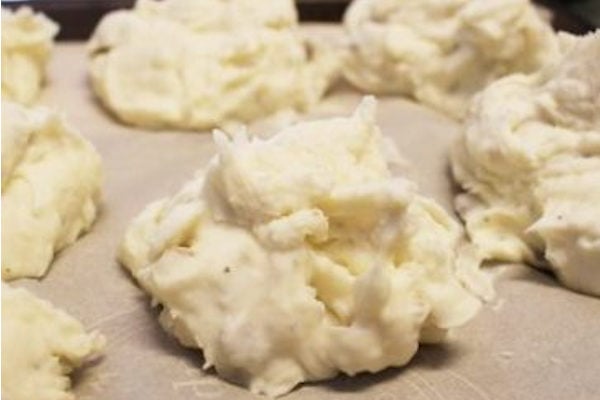
This is the secret weapon for preventing your mashed potatoes from becoming a solid, unmanageable block. Line a baking sheet with parchment paper or a silicone mat. Spread the cooled mashed potatoes evenly across the sheet, about 1/2 to 1 inch thick. For even better portion control, you can spoon individual dollops onto the sheet. Place the baking sheet in the freezer for 2-4 hours, or until the mashed potatoes are completely solid. This flash-freezing technique ensures that each potato portion freezes individually, making it incredibly easy to scoop out just what you need later without having to thaw the entire batch. This crucial step is highlighted in our Easy Guide: Freeze Mashed Potatoes for Future Meals for a reason!
Step 4: Master the Art of Airtight Packaging
Once your mashed potato portions are solid, it's time to transfer them for long-term storage. The goal here is to minimize exposure to air, which causes freezer burn.
- For Freezer Bags: Place the flash-frozen mashed potato chunks into heavy-duty freezer bags. Press out as much air as possible before sealing. One effective method is to press the bag flat, pushing air towards the opening, then seal it while minimizing the remaining air pocket. You can even use a straw to suck out the last bit of air before sealing.
- For Airtight Containers: Pack the frozen mashed potatoes tightly into freezer-safe, airtight containers. If there's headspace, place a piece of plastic wrap directly on the surface of the mashed potatoes before sealing the lid. This creates an extra barrier against air. For superior protection, consider wrapping the entire container in an additional layer of plastic wrap or aluminum foil before putting on the lid – this double-layer method is a pro tip for maintaining prime condition. For more insights on optimal packaging, check out our article: Master Freezing Mashed Potatoes: Keep Them Creamy & Flavorful.
Step 5: Label and Date for Smart Storage
Don't skip this simple but essential step! Use a permanent marker to clearly label each container or bag with the contents (e.g., "Mashed Potatoes"), the date it was frozen, and the portion size (e.g., "2 servings"). This ensures you can easily track your inventory, use the oldest items first (following a "First In, First Out" principle), and defrost just the right amount, preventing unnecessary waste. Properly stored, frozen mashed potatoes can maintain their quality for up to 3-6 months.
Thawing and Reheating Your Perfectly Frozen Mashed Potatoes
Freezing your mashed potatoes correctly is only half the battle; knowing how to thaw and reheat them without compromising their texture is equally important. The goal is to gently warm them through while restoring their creamy consistency.
Thawing Methods:
- Refrigerator: This is the best and safest method. Transfer the frozen mashed potatoes (in their container or bag) to the refrigerator 24-48 hours before you plan to use them. This allows for a slow, even thaw.
- Cold Water Bath: For quicker thawing, place the sealed bag of frozen mashed potatoes into a bowl of cold water. Change the water every 30 minutes. Do not use hot water, as this can encourage bacterial growth and uneven thawing.
- Direct Reheating (for smaller portions): If you have small, flash-frozen portions, you can sometimes skip the full thaw and reheat directly, though this requires more careful stirring and often a little more liquid.
Reheating Methods to Restore Creaminess:
Regardless of the reheating method, you'll likely need to add a splash of warm milk, cream, or even a knob of butter to bring back that original luscious texture and ensure they're perfectly smooth and creamy.
- Oven (Recommended for Large Batches): Transfer thawed mashed potatoes to an oven-safe dish. Add a splash of milk or cream and a pat of butter, then stir gently. Cover the dish tightly with foil to prevent drying out and bake at 325°F (160°C) for 20-30 minutes, or until heated through. Stir halfway for even heating.
- Stovetop (Great for Medium Batches): Place thawed mashed potatoes in a saucepan over medium-low heat. Add a splash of warm milk or cream and a pat of butter. Stir constantly and gently, breaking up any clumps, until they are hot and smooth. Be careful not to scorch the bottom.
- Microwave (Best for Single Servings): Place thawed mashed potatoes in a microwave-safe dish. Add a spoonful of milk or cream and a small pat of butter. Heat in 1-2 minute intervals, stirring well after each interval, until heated through and creamy.
Conclusion: Enjoy Perfectly Preserved Mashed Potatoes Anytime
Freezing mashed potatoes is a fantastic culinary hack that can save you time, reduce waste, and ensure you always have a comforting side dish at the ready. By embracing high-fat ingredients, diligently flash-freezing, and meticulously packaging your potatoes, you can confidently preserve their exquisite taste and texture. No more worrying about holiday meal prep or weeknight dinners; with these simple yet effective techniques, you'll enjoy perfectly preserved mashed potatoes that are just as flavorful and creamy as the day they were made. Give these methods a try, and elevate your meal planning to a whole new level of convenience and deliciousness!
